Riding Right: The Friction Zone: Just What Is It, Anyway?
The friction zone is the small wonder in the big world of motorcycling. Youll use it every time you ride. But how do you find it?
Riding Right: The Friction Zone: Just What Is It, Anyway?
The friction zone is the small wonder in the big world of motorcycling. Youll use it every time you ride. But how do you find it?
Riding Right: The Friction Zone: Just What Is It, Anyway?
In the Basic RiderCourse, the Motorcycle Safety Foundation (MSF) describes total stopping distance as three separate components. The first, Perception Distance, is the distance the bike travels from the time something is present until you perceive the need to brake.
Unless youve learned the hard way (youll know if you did), most riders dont know how to pack gear on their motorcycle properly. Stability and steering, not to mention safety, are seriously compromised when you load a bike improperly.
Riding Right: Getting Loaded: Six Tips
The only way to be sure your motorcycle is road ready is by performing a pre-ride inspection before every ride. It only takes a few minutes to look things over and check things out. A pre-ride inspection should become as automatic as watching the weather forecast or grabbing your gear.
Riding Right: Is Your Bike Ready to Roll?
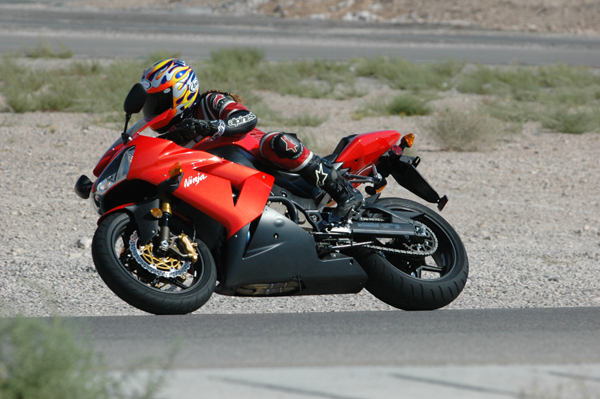
Most riders say cornering is the one aspect of motorcycling that is different than driving a car. This is at the core of what differentiates motorcyclists from four-wheeled motorists. Going around a curve on a motorcycle is unique. As a single-track vehicle, it turns by leaning. A skilled rider on a late model sportbike might tell you that riding through curves on a twisty road is more like banking an airplane than driving a car.
Riding Right: Press, Lean, Repeat
Most of us have witnessed this scenario at least once in our motorcycling life: someone drops his or her motorcycle, and three or four people scramble over to help muscle it upright. But have you ever seen someone actually upright a motorcycle alone? It can be done.
Technique for Lifting a Dropped Motorcycle
To ride a motorcycle, youre going to have to do some posturing. Riding postures are dictated by two main factors—the design of your bike and the build of your body—both of which can be modified, but only to a point. Sit on as many bikes as possible to find the right combination to fit your needs.
Riding Right: Finding the Best Riding Position for You
One of the most embarrassing times for a motorcyclist is the moment when he or she drops their bike. In my 18 years in the saddle, I can lay claim to this embarrassment twice. I wont bore you with the same old story of how befuddled I was when it happened…what I will share with you is something I learned to avoid dropping the bike in the future.
One Way to Avoid Dropping Your Bike
So you know you and your bike belong on the road, but do you know where? A lane designed for trucks and cars gives you lots of room to ride. Choosing the correct lane position increases your visibility, allows others to see you more readily, and maximizes your space cushion when riding on the street.
Riding Right: Lane Positioning
Standing a diminutive 4 feet 11 inches, Jennifer Hooper is an unlikely candidate to be a motorcycle training instructor she doesnt fit the stereotype. “It never occurred to me that being short would make riding difficult or that I should customize a bike to my height,” she explains.